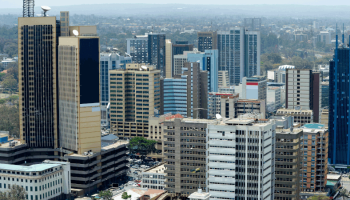
Nairobi welcomes thousands of first-time visitors annually. Kenya's capital city offers unique experiences. Knowing key information before arriving helps you navigate confidently.
Entry Requirements
Most nationalities can get Kenya visas online. Apply for your e-visa at least one week before travel. The process takes about seven days normally.
Print your visa approval. Immigration officers may request the paper copy. Carry your passport everywhere in Nairobi. Hotels and many services require ID.
Yellow fever certificates are mandatory if you're arriving from endemic countries. Check whether your origin requires this documentation.
Money Matters
Kenyan Shillings (KES) are the local currency. ATMs throughout Nairobi accept international cards. Withdraw money at airport ATMs immediately after arrival.
Credit cards work at major hotels and restaurants. Smaller establishments prefer cash. Always carry some shillings for daily expenses.
Mobile money (M-Pesa) is extremely popular locally. However, setting up accounts requires local phone numbers. Tourists typically stick with cash and cards.
Safety Basics
Nairobi is generally safe with normal precautions. Avoid displaying expensive jewelry or electronics openly. Keep bags close in crowded areas.
Use ride-hailing apps instead of street taxis. Uber and Bolt provide transparent pricing and tracking. They're much safer than negotiating with random drivers.
Don't walk alone late at night. Stay in well-lit populated areas during evenings. Most hotels in Nairobi sit in safe neighborhoods.
Transportation
Traffic congestion affects Nairobi significantly. Rush hours run 6:30-9:30 AM and 4:00-7:30 PM weekdays. Plan extra travel time during these periods.
Ride-hailing apps are the easiest transport option. Download Uber and Bolt before arriving. They work throughout the city reliably.
Matatus (minibuses) offer local transport experiences. First-time visitors often find them confusing though. Stick with apps until you understand the city better.
Where to Stay
Different neighborhoods serve different needs. The CBD suits business travelers attending meetings downtown. However, evening options are limited there.
Hotels in Nairobi West provide residential calm with good connectivity. This area offers local restaurants and easier parking. Families often prefer this neighborhood.
Need conference facilities? Many conference facilities in Nairobi cluster in specific zones. Choose accommodation near your meeting venues.
Travelers with early flights appreciate hotels near JKIA. Airport proximity eliminates pre-dawn traffic concerns. You'll sleep better knowing the terminal is minutes away.
Food and Water
Drink only bottled water in Nairobi. Hotels and restaurants serve sealed bottles. Avoid ice in drinks at casual establishments.
Kenyan food is delicious and safe at reputable places. Try ugali, nyama choma, and pilau. Local restaurants in Nairobi serve authentic dishes at great prices.
Street food requires more caution. Watch where locals eat. Busy stalls with high turnover are usually safe.
Weather Preparation
Nairobi enjoys mild temperatures year-round. Days reach 24-26°C typically. Nights cool to 12-14°C.
Pack layers you can add or remove. Mornings start cool but warm quickly. Evenings need light jackets or sweaters.
Rain falls March-May and November mostly. Carry a compact umbrella or rain jacket. Brief afternoon showers are common during these months.
Communication
English is widely spoken in Nairobi. You'll have no language barriers at hotels, restaurants, or tourist sites. Signs and menus use English predominantly.
Buy a local SIM card at the airport. Safaricom offers the best coverage. Data packages cost very little. Staying connected helps with navigation and ride-hailing apps.
Health Precautions
Nairobi sits at high altitude (1,795 meters). Some visitors feel mild altitude effects initially. Take it easy your first day.
Pharmacies stock most medications. Bring prescriptions for any regular medicines. Malaria isn't a concern in Nairobi due to altitude.
Cultural Respect
Kenyans are friendly and welcoming. Greet people politely. "Jambo" (hello) and "Asante" (thank you) are appreciated.
Dress modestly when visiting religious sites. Business settings expect formal attire. Casual clothes work fine for tourist activities.
Photography requires permission at some government buildings. Always ask before photographing people directly.