Nairobi serves as East Africa's undisputed business capital, hosting regional headquarters for multinational corporations, international organizations, and diplomatic missions. The city's strategic position attracts thousands of business travelers annually, from executives attending board meetings to consultants conducting multi-week engagements. Unlike leisure travel where flexibility allows for spontaneity, business trips demand careful planning to ensure professional obligations are met efficiently while managing the practical challenges of working in an unfamiliar city. This guide provides corporate travelers with the essential information needed to navigate Nairobi successfully, focusing on logistics, accommodation strategy, and cultural considerations that directly impact business effectiveness.
Best Time to Visit Nairobi for Business
Understanding Nairobi's calendar patterns helps in scheduling trips that avoid unnecessary complications. The city experiences two rainy seasons: long rains from March through May and short rains in November. While business continues year-round, these periods can affect travel logistics, with occasional flooding causing traffic delays and flight disruptions becoming more common.
Conference season peaks from September through November and again in February through March, when international organizations host annual meetings and corporations schedule regional gatherings. Hotels experience higher occupancy during these periods, making early booking essential. Conversely, December sees reduced business activity as many organizations wind down for year-end, while August often brings quieter periods coinciding with school holidays.
Public holidays deserve attention when scheduling meetings. Kenyan holidays include both fixed dates like Mashujaa Day (October 20) and variable religious observances that shift annually. Scheduling critical meetings on or immediately adjacent to public holidays can result in reduced attendance or last-minute cancellations as colleagues extend weekends into short breaks.
Traffic patterns vary significantly throughout the week. Monday mornings and Friday afternoons see particularly heavy congestion as residents travel to and from weekend destinations outside Nairobi. Mid-week days typically offer more predictable transit times, making Tuesday through Thursday optimal for scheduling time-sensitive appointments.
Choosing the Right Location for Your Business Accommodation
Accommodation location significantly impacts business trip efficiency. The decision requires balancing proximity to meeting venues against other practical factors like airport access, dining options, and evening safety.
For meetings concentrated in government ministries or financial institutions, staying at hotels near Nairobi CBD offers walkable access to most downtown offices. This positioning eliminates reliance on traffic-dependent transportation for morning meetings, allowing more predictable scheduling. However, the CBD's evening character differs markedly from daytime activity, with reduced services and quieter streets after business hours.
Upper Hill has emerged as an alternative business zone, particularly for those working with NGOs, health organizations, or embassies that have relocated from the CBD. This area provides somewhat easier parking than downtown while maintaining professional atmosphere. The neighborhood's residential components mean better evening dining options and generally quieter accommodation.
Westlands serves the corporate sector with modern office complexes and shopping infrastructure. Business travelers working with companies in this zone benefit from staying nearby, though the area's popularity for nightlife means some accommodation experiences noise that may interfere with rest before important meetings.
When business itineraries involve attending events at established venues, positioning yourself near conference facilities in Nairobi reduces daily commute stress and allows flexible scheduling. Multi-day conferences particularly benefit from this approach, as returning to nearby accommodation between sessions provides rest opportunities that improve afternoon focus and engagement.
Airport proximity matters primarily for arrival and departure logistics rather than daily business activities. However, trips involving very early morning flights or late evening arrivals make staying near JKIA practical for those specific nights, even if mid-trip accommodation lies elsewhere
Airport Transfer Planning
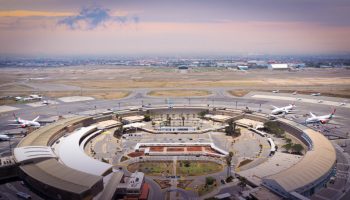
Jomo Kenyatta International Airport serves as the gateway for most international business travelers arriving in Nairobi. The facility operates efficiently by regional standards, though immigration queues can extend during peak arrival times when multiple international flights land simultaneously.
Pre-booking airport transfers provides peace of mind, particularly for first-time visitors unfamiliar with Nairobi's geography. Many hotels arrange pickup services, with drivers waiting in the arrivals hall holding name cards. This option costs more than ride-hailing apps but eliminates the need to arrange transportation while managing luggage and processing the arrival experience.
Ride-hailing apps including Uber and Bolt operate from JKIA, offering reliable service at lower cost than pre-arranged transfers. The designated pickup zone lies outside the arrivals terminal, requiring a brief walk but presenting no particular difficulty. These apps provide transparent pricing and driver tracking, addressing two common concerns for business travelers in unfamiliar cities.
The journey from JKIA to central Nairobi typically requires 30-60 minutes depending on traffic and final destination. Morning rush hour (roughly 6:30-9:30 AM) and evening congestion (4:00-7:00 PM) can extend this significantly. Business travelers with meetings scheduled soon after landing should account for potential delays rather than planning tight connections between arrival and appointments.
For those with very early departures, accommodation near JKIA eliminates traffic uncertainty entirely. International flights often depart between 6:00-8:00 AM, requiring 3:00-4:00 AM departures from city-center hotels. Staying near the airport allows adequate sleep before travel days while removing the risk of traffic delays causing missed flights.
Essential Business Etiquette in Nairobi
Understanding local business culture prevents unintended offense and demonstrates respect for Kenyan professional norms. While Nairobi's business environment reflects international corporate practices, certain local expectations deserve attention.
Punctuality holds different meanings depending on context. International organizations and multinational corporations operate on strict time schedules, with meetings starting precisely as scheduled. However, some local businesses follow more relaxed timing, with "African time" sometimes extending meetings 15-30 minutes beyond stated start times. As a visitor, always arrive punctually regardless of local flexibility, as this demonstrates professionalism and respects those who do value precise timing.
Dress codes tend toward formal, particularly in government offices, banks, and established corporations. Men typically wear suits or at minimum dress shirts with trousers, while women opt for business suits, dresses, or professional separates. Technology sector and creative industries sometimes embrace business casual, though erring on the formal side is safer for first meetings. Nairobi's moderate climate makes lightweight fabrics practical, though offices often run air conditioning that can feel cold after time outside.
Greeting rituals matter in Kenyan business culture. Handshakes are standard, often accompanied by direct eye contact and genuine verbal greetings. Taking a moment to exchange pleasantries before diving into business topics is appreciated, with brief inquiries about travel or general wellbeing serving as conversational openers. Rushing immediately to agenda items can seem abrupt or disrespectful.
Business cards remain relevant in Nairobi professional settings. Exchange typically occurs during introductions, with cards offered and received with the right hand or both hands as a sign of respect. Taking a moment to examine received cards before putting them away acknowledges the person's professional identity rather than appearing dismissive.
Getting Around Nairobi During Business Hours
Transportation challenges represent one of Nairobi's most significant business travel frustrations. Traffic congestion affects productivity and requires strategic planning to avoid missed meetings or wasted time.
Ride-hailing apps have transformed business travel in Nairobi, providing reliable transportation without negotiating fares or navigating unfamiliar payment customs. Uber, Bolt, and Little Cab all operate throughout the city, with similar pricing and service quality. Apps automatically handle payment through registered cards, eliminating cash transaction concerns and providing expense documentation through email receipts.
Traffic patterns demand scheduling awareness. The morning rush begins around 6:30 AM and continues past 9:30 AM, with particularly heavy congestion on routes into the CBD from residential areas. Evening rush starts around 4:00 PM and can extend until 8:00 PM on particularly difficult days. Scheduling meetings between 10:00 AM and 3:30 PM helps avoid the worst traffic impacts.
Allow significantly more buffer time than distance suggests. A journey that takes 15 minutes during off-peak hours might require 45 minutes during rush periods. For critical meetings, planning to arrive 30 minutes early provides cushion for traffic variability, with hotel lobbies or nearby cafés offering comfortable waiting spaces if arrival timing proves optimistic.
Alternative routes exist for most journeys, though drivers generally know which options work best for current conditions. Ride-hailing apps automatically route around known congestion, though drivers sometimes override suggested routes based on real-time local knowledge. Trust experienced drivers who propose alternatives unless navigation suggests vastly different directions.
Where to Host Client Meetings and Dinners
Meeting venue selection communicates professionalism while providing appropriate environments for business discussions. Nairobi offers various options suited to different meeting types and relationship stages.
Hotel meeting rooms provide neutral, professional settings particularly appropriate for formal negotiations or meetings involving multiple participants. Most business-class hotels offer day-use meeting spaces bookable by the hour, complete with presentation equipment, refreshments, and privacy. These venues work well when hosting clients at your accommodation or when neither party wants to meet at their offices.
Restaurant meetings serve relationship-building purposes, particularly for informal discussions or follow-up conversations after formal negotiations. Selecting appropriate restaurants demonstrates cultural awareness and consideration for client preferences. Nairobi's dining scene spans budget to luxury, with the guide to restaurants in Nairobi providing comprehensive options across price points and cuisine types.
Upscale restaurants in areas like Westlands or Karen communicate seriousness about client relationships while providing quality food and professional service. Mid-range establishments offer comfortable environments without the expense that might seem inappropriate for routine business meals. The key lies in matching venue to meeting purpose and relationship stage.
Coffee meetings have gained popularity for preliminary discussions or brief check-ins. Nairobi's emerging coffee culture means quality cafés exist throughout business districts, providing professional yet relaxed environments for conversations that don't require full meal settings.
Client dinners typically occur at restaurants rather than hotels unless hosting international visitors who prefer familiar hotel environments. Evening meals allow extended conversation without time pressure from afternoon schedules, making them valuable for relationship development. However, Nairobi's security considerations mean arranging reliable transportation for both parties rather than expecting clients to navigate unfamiliar areas after dark.
Staying Connected: Internet and Communication
Reliable connectivity is essential for business travelers who need to maintain communication with home offices, access documents, and participate in remote meetings while traveling.
Mobile networks in Kenya offer excellent coverage throughout Nairobi, with Safaricom providing the most extensive network followed by Airtel. Tourist SIM cards are available at the airport immediately after clearing customs, with registration requiring only passport presentation. Data packages offer generous allowances at prices significantly lower than international roaming charges.
Hotel WiFi quality varies considerably. International hotel chains generally maintain reliable connections suitable for video calls and large file transfers, while smaller properties sometimes struggle with bandwidth during peak usage periods. Business travelers with critical connectivity needs should verify WiFi quality when booking or maintain mobile data as backup.
Co-working spaces throughout Nairobi provide professional work environments with guaranteed high-speed internet, meeting rooms, and business services. These facilities suit extended work sessions between meetings or when hotel environments prove too distracting. Day passes typically cost reasonable amounts while providing productivity infrastructure equivalent to quality offices.
Power adapters follow UK standards, with three-pin rectangular plugs standard throughout Kenya. Business travelers should pack appropriate adapters, as hotel supplies are sometimes limited. Voltage runs at 240V, compatible with most international electronics though US devices may require voltage converters depending on equipment specifications.
Video conferencing requires planning around time zones and connectivity quality. Nairobi operates on East Africa Time (EAT), three hours ahead of GMT with no daylight saving adjustments. Scheduling calls with European offices works well during Nairobi mornings, while connecting with US colleagues requires early Nairobi mornings or late evenings depending on US time zones.
Health and Safety Tips for Business Travelers
Business travelers should address basic health and security considerations without allowing concerns to dominate the trip experience or create unnecessary anxiety.
Yellow fever vaccination certificates are required for travelers arriving from or transiting through endemic countries. While not required for travelers arriving directly from most Western nations, having the vaccination provides flexibility for onward travel within Africa. Routine vaccinations should be current, with some travelers choosing additional protection against typhoid and hepatitis A depending on planned activities and dining preferences.
Water safety follows standard developing-world practices: bottled water for drinking, avoiding ice in beverages outside upscale hotels, and exercising judgment about raw vegetables in casual restaurants. Major hotels and established restaurants maintain high food safety standards, while street food requires more caution despite offering authentic culinary experiences.
Security awareness helps prevent opportunistic crime without requiring paranoid vigilance. Standard precautions include avoiding phone use while walking on streets, keeping bags secured and within sight, and using reliable transportation rather than walking after dark. Business districts are generally safe during working hours, with risks increasing in evenings particularly in less-traveled areas.
Valuables should remain in hotel safes rather than carried unnecessarily. Laptops and business materials obviously must accompany travelers to meetings, but expensive jewelry, excess cash, and backup electronics safely stay secured at accommodation. Most business-class hotels provide in-room or front-desk safes adequate for typical business traveler needs.
Travel insurance deserves consideration particularly for trips involving valuable equipment or critical meetings that cancellation would significantly impact. Policies covering medical emergencies, trip interruption, and equipment loss provide peace of mind at relatively modest cost. Medical facilities in Nairobi meet international standards at major hospitals, though insurance ensures access without concerning over payment arrangements during emergencies.
Extending Your Stay: Quick Nairobi Experiences
Business trips sometimes allow brief windows for experiencing Nairobi beyond conference rooms and office buildings. Strategic activity selection provides memorable experiences without disrupting professional obligations.
Nairobi National Park offers the extraordinary experience of seeing wildlife against a city skyline backdrop. Located just seven kilometers from the CBD, this protected area hosts lions, rhinos, giraffes, and numerous other species within sight of urban development. Early morning game drives require approximately three hours, making them feasible before late-morning meetings or on departure days with afternoon flights.
Half-day activities fit easily into business trip schedules. The David Sheldrick Elephant Orphanage opens for one hour daily (11:00 AM-12:00 noon), allowing visitors to see infant elephants being fed and playing. This experience requires minimal time investment while providing unique wildlife interaction impossible elsewhere. Similarly, the Giraffe Centre in Karen allows feeding these gentle giants during a visit requiring only 60-90 minutes.
Cultural sites including the Nairobi National Museum and Karen Blixen Museum provide insight into Kenyan history and culture during free afternoons. These facilities maintain professional standards suitable for time-limited visits, with exhibits that don't require extensive time to appreciate meaningfully.
Weekend extensions allow more ambitious activities if business schedules permit. The Maasai Mara lies approximately five hours from Nairobi by road, making weekend safari visits feasible though demanding. Closer options include Lake Naivasha or the Ngong Hills, both offering nature experiences within two hours of the city.
Business travelers should balance activity ambition against rest needs. Jet lag and intensive meeting schedules create fatigue that adventurous weekend plans might exacerbate. Sometimes the best use of free time involves simply relaxing at quality restaurants, experiencing local cafés, or resting at accommodation in preparation for the next business week.
Conclusion
Successful business travel to Nairobi combines practical planning with cultural awareness and realistic scheduling. Choosing appropriate accommodation based on meeting locations, allowing adequate time for traffic, understanding local business etiquette, and maintaining reliable connectivity form the foundation of productive trips. The city's infrastructure supports international business effectively when travelers approach logistics strategically rather than assuming Western norms apply universally.
Nairobi rewards visitors who invest time in understanding local context while maintaining flexibility when plans inevitably require adjustment. The combination of East Africa's largest economy, growing professional services sector, and improving hospitality infrastructure makes the city an increasingly comfortable destination for corporate travelers. With proper preparation addressing the specific considerations outlined in this guide, business visitors can focus their energy on professional objectives rather than logistical challenges, creating the conditions for successful outcomes in Kenya's dynamic capital.